Ask About Available Discounts
What’s a MERV Rating?
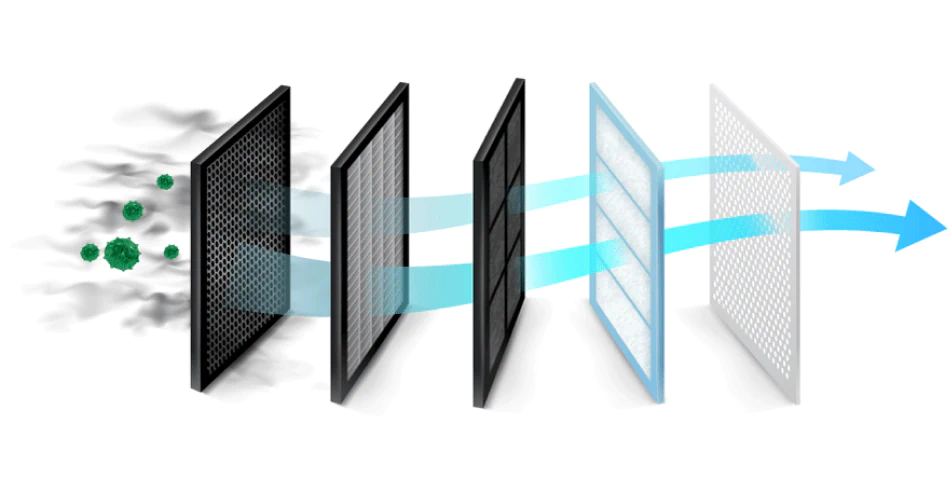
Ah, the mysterious MERV rating. Sounds fancy, right? It’s like the IQ score for your air filter; but don’t worry, it’s a lot easier to understand than algebra.
MERV stands for Minimum Efficiency Reporting Value, which is just a fancy way of measuring how well your air filter catches particles like dust, pollen, pet dander, and other tiny things you don’t want hanging around. The MERV scale goes from 1 to 20, with 1 being the guy who barely shows up to work (not catching much), and 20 being the overachiever who filters out pretty much everything, including stuff you didn’t even know was in the air.
Here’s a quick breakdown:
- MERV 1-4: These are your basic, entry-level filters. They’ll catch dust and some larger particles, but they’re not doing much for the finer stuff. Think of them as the “bare minimum” employee. Good for, say, a garage or a space you don’t live in.
- MERV 5-8: These are solid performers for most homes. They catch dust mites, mold spores, and pet dander. If you don’t have crazy allergies or pets that shed like it’s their side hustle, a MERV 8 filter is your buddy.
- MERV 9-12: Now we’re getting serious. These are for people who want cleaner air, whether it’s because of allergies or they just want to feel like they’re living in a bubble of cleanliness. These filters will catch even smaller particles like lead dust and some bacteria.
- MERV 13-16: These are hospital-grade filters. Yep, we’re talking about the kind of air filtration they use in medical facilities. Unless you’ve got a lot of medical conditions or you’re a hardcore clean air enthusiast, this might be overkill for a standard home. But hey, no judgment if you want to go for it.
- MERV 17-20: NASA-level stuff here. These filters catch viruses, smoke, and even radioactive particles. If you’re filtering air in a clean room or planning to start a lab in your basement, this is your range. For your everyday home? Probably not necessary.
Pro Tip: For most homes, a MERV rating between 8 and 12 is the sweet spot. It’ll catch most of the allergens, dust, and general air crud without putting too much strain on your HVAC system. If you go too high (like MERV 13+), your system might struggle to push air through the filter, and that can lead to higher energy bills or even HVAC damage.
So, in short, think of MERV like your filter’s superpower. The higher the number, the better it is at catching all the junk, but you don’t always need a superhero when a sidekick will do just fine!